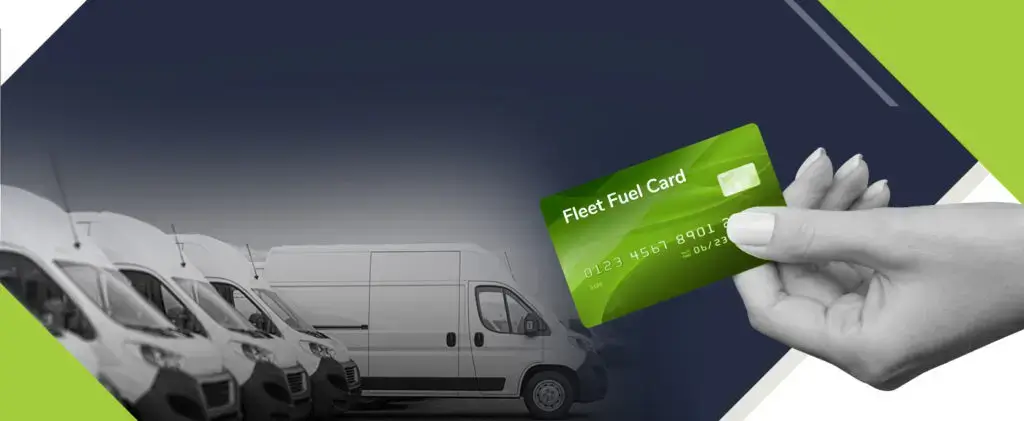
Simplifying Expense Management
One of the most immediate benefits of fleet cards in corporate travel is the simplification of expense management. Employees who travel for business often face the hassle of managing receipts, submitting reimbursement claims, and tracking their spending. Fleet cards eliminate much of this burden by providing centralized billing. Each transaction made using the card is automatically recorded, categorized, and integrated into the company’s financial system. This seamless flow of information reduces the need for manual reconciliation and helps finance teams maintain an accurate overview of travel expenses.
The integration of fleet cards with corporate travel policies ensures that every transaction aligns with predetermined guidelines. For example, companies can set spending limits, restrict fuel purchases to approved locations, and even specify the types of fuel that can be purchased. This level of control minimizes the risk of non-compliant spending and helps employees focus on their core responsibilities without worrying about administrative hurdles.
Enhancing Compliance and Oversight
Fleet cards play a critical role in enforcing corporate travel policies. Organizations often establish specific rules regarding travel distances, fuel types, and authorized vehicles. Fleet cards can be programmed to reflect these rules, automatically flagging or declining transactions that fall outside policy parameters. This feature not only safeguards against misuse but also encourages employees to adhere to company guidelines voluntarily.
Moreover, the real-time reporting capabilities of fleet cards allow managers to monitor travel-related expenses continuously. They can identify patterns such as frequent use at non-approved fuel stations or unusual spending spikes. By addressing these issues promptly, companies maintain tighter control over their budgets and enhance overall accountability across their workforce.
Supporting Multi-Vehicle and Multi-Location Operations
Many organizations operate a diverse fleet of vehicles across multiple locations. Managing fuel and maintenance costs in such an environment can be challenging. Fleet cards provide a centralized solution that accommodates this complexity. Companies can issue individual cards for each vehicle or driver, assign cards based on regions or departments, and monitor usage on a location-specific basis.
This approach aligns with corporate travel policies by ensuring that fuel expenditures are tracked per vehicle and per trip, facilitating better budgeting and reporting. It also helps identify inefficiencies in vehicle operations, such as fuel wastage or excessive mileage, which can then be addressed through policy adjustments or training programs.
Reducing Fraud and Unauthorized Spending
Fraud and unauthorized spending are persistent concerns in corporate travel management. Cash-based fuel purchases or generic credit cards offer limited oversight, increasing the potential for misuse. Fleet cards, however, provide enhanced security features that reduce this risk. Cards can be restricted for use only at fuel stations, limited to specific purchase amounts, and tied to individual drivers.
By integrating these controls into corporate travel policies, companies create a framework that deters fraudulent activities and ensures that funds are used strictly for business purposes. This not only protects the organization financially but also promotes a culture of responsible spending among employees.
Integration with Corporate Travel Programs
Many companies use travel management systems to plan trips, book accommodations, and manage travel expenses. Fleet cards complement these systems by feeding fuel and vehicle expense data directly into the broader corporate travel framework. This integration allows for a holistic view of travel spending, ensuring that all components of a trip—flights, lodging, meals, and fuel—are accounted for consistently.
With fleet cards integrated into corporate travel programs, policy compliance becomes more straightforward. Managers can enforce rules such as reimbursement limits, preferred suppliers, and vehicle usage guidelines automatically. Employees benefit from a simplified process that requires less paperwork and administrative effort, making business travel more efficient and less stressful.
Promoting Operational Efficiency
Beyond expense management and compliance, fleet cards contribute to operational efficiency. The automation of reporting, real-time monitoring of transactions, and ease of integration with existing systems allow organizations to allocate resources more effectively. Managers can make data-driven decisions about fleet deployment, route planning, and fuel budgeting, ultimately improving overall operational performance.
Fleet cards also support environmental and sustainability initiatives by enabling organizations to monitor fuel consumption accurately. Companies can track fuel efficiency across their fleet, identify areas for improvement, and implement policies that encourage greener driving practices. This aligns with broader corporate travel policies that increasingly emphasize sustainability and responsible resource usage.
Encouraging Employee Convenience and Satisfaction
Corporate travel can be stressful for employees, particularly when managing expenses and following strict policies. Fleet cards ease this burden by providing a convenient and reliable way to pay for fuel without using personal funds or worrying about reimbursement procedures. Employees can focus on their work responsibilities, knowing that their travel expenses are managed efficiently and in accordance with company policies.
By reducing administrative friction and offering a seamless payment method, fleet cards improve overall employee satisfaction. They also foster a sense of trust between the organization and its workforce, as employees recognize that the company provides tools that make compliance easier rather than more burdensome.
Adapting to Policy Changes and Business Growth
As businesses evolve, corporate travel policies often require updates to reflect changing operational needs, budget constraints, or regulatory requirements. Fleet cards offer the flexibility to adapt to these changes quickly. Spending limits, authorized locations, and cardholder assignments can be updated centrally, ensuring that all transactions remain compliant with the latest policies.
For growing companies, fleet cards provide scalability. Adding new drivers, vehicles, or locations does not complicate the expense management process. The cards seamlessly extend existing policies to new members of the workforce, maintaining consistency and control even as the organization expands.